In my role as head of the Secretariat for the Coalition on the Future of Development Cooperation and as I support our fabulous Co-Chairs and Commissioners, I have been incredibly fortunate to talk to hundreds and hundreds of people about this topic over the last eight months or so. The conversations often go in many, broad directions, touching on the political always, and often on the deeply personal—what vision of society do we want for the next generation, what does “good” development look like, not in GDP terms, but in how we think about quality of life, for ourselves, our neighbors, and our planet.
A few reflections.
Gratitude is the word that comes quickly when I think about everyone who has engaged with the Coalition, my team, and with me personally. The quality of insights, feedback, and expertise that we have received is outstanding. I could not be more impressed with the determination and abilities of the people who continue to advance development in every corner of the globe during a period that has brought no shortage of challenges. So many people have been generous with their time and ideas—thank you.
I am also struck by how different people have responded to those different challenges, particularly the rupture in many traditional alliances and patterns of support for development assistance. Some people (admittedly a minority), think (or hope) that this current moment is a painful blip that will change with new leadership, a cooling of geopolitical tensions, and a more favorable economic climate.
But the majority view the moment as a more profound shift from one era to another: not the end of a rules-based order or effective development cooperation, but the genesis of a new and still-to-be-defined approach to those issues. How we shape and manage the transition and this moment of opportunity matters.
It will not be a surprise that I am firmly of the latter camp, and I am happy to explain why. The impetus to change how we approach development cooperation does not just come from the events of the last three or five years, it comes because the world has changed so profoundly since the end of World War II. The world is no longer defined in traditional lines of North-South, East-West, or “developed” and “under-developed.” Finance, people, goods, knowledge, and technology move in ways that were unimaginable just twenty years ago, much less at the end of World War II when much of the architecture of international cooperation was established.
It is our collective challenge to establish ways of conducting development cooperation that make sense given this dramatically changed landscape, and I am convinced this will require much more than status quo ante.
And having met with such an incredible cohort of people since my journey with the Coalition began, I have every confidence that we, together, are up to this task.
Warm regards, and with hopes that all of you had some moments of rejuvenation and reconnection this summer,
Alexia
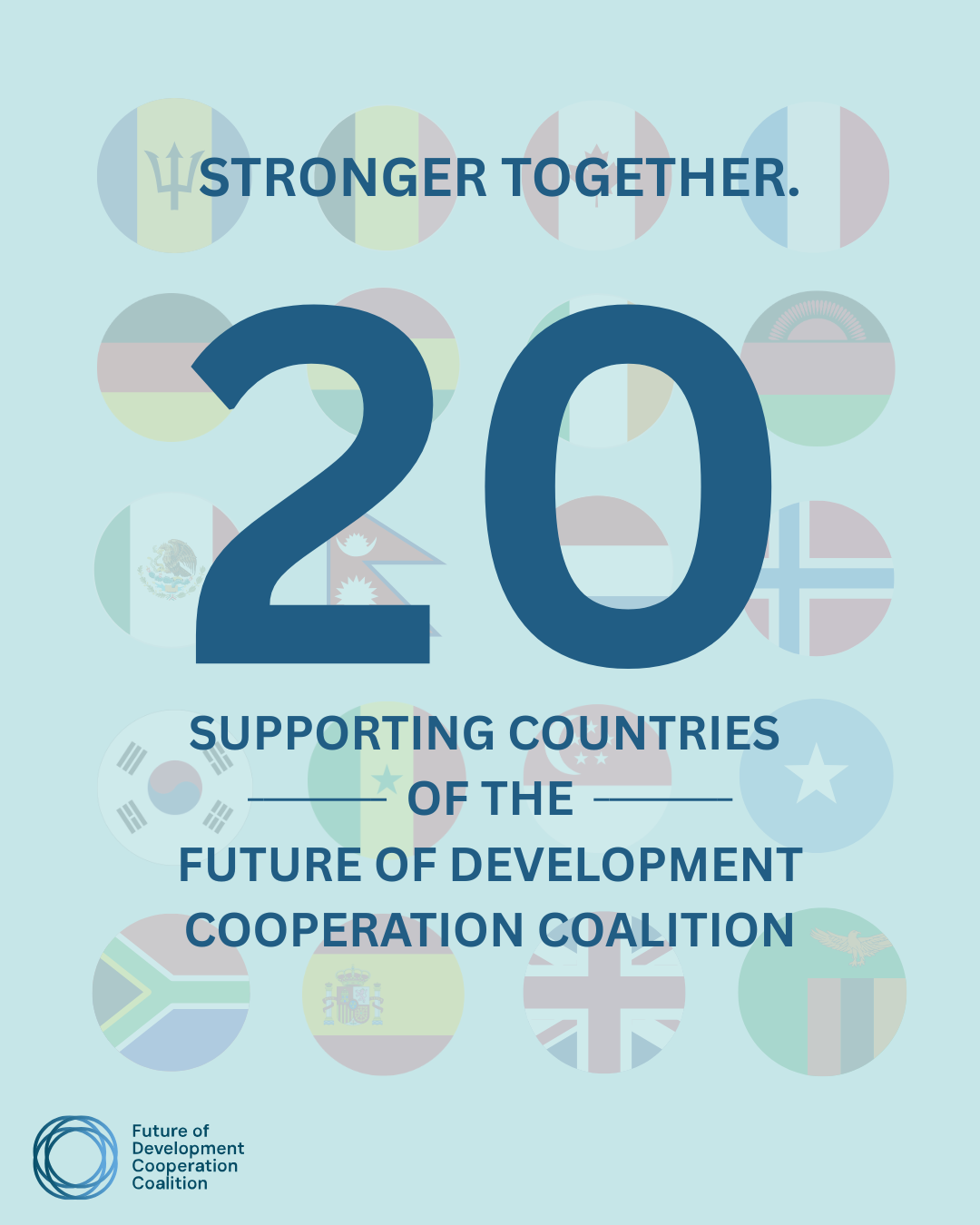
Norway Makes 20
The Coalition is pleased to welcome its newest supporting country, Norway. And just as welcome, this marks 20 countries now supporting the Future of Development Cooperation Coalition.
The Coalition’s supporting countries follow the Coalition’s work closely, engage with its emerging ideas, and consider the relevance of the Coalition’s workstream and research in terms of how it fits within their own approaches.
The different experiences, insights, and perspectives from the supporting countries, along with the Coalition’s other extensive consultation efforts, are an important part of the wider conversation we continue to build. Bringing together a diverse, cross-regional group of countries, experts, and practitioners committed to an open and ambitious examination of how development cooperation must change has always been a central goal of the Coalition’s efforts.
The 20 supporting countries are: Barbados, Belgium, Canada, France, Germany, Ghana, Ireland, Malawi, Mexico, Nepal, the Netherlands, Norway, the Republic of Korea, Senegal, Singapore, Somalia, South Africa, Spain, the United Kingdom, and Zambia.
Sincere thanks to them all.
From Country Consultation to Thematic Deep Dives
Across six countries, more than 500 people have challenged the Future of Development Cooperation Coalition to re-examine what cooperation is for, who shapes it, what resources really matter, and what it takes to deliver lasting change.
The contexts have varied, but some powerful themes have emerged across these discussions: the gap between the rhetoric and reality when it comes to country ownership; the need to build systems and capabilities rather than isolated projects; and the importance of looking beyond aid to the wider ecosystem of forces and rules that shape development; the central role of knowledge and innovation; and the need to prepare for, and not be overwhelmed, by Artificial Intelligence.
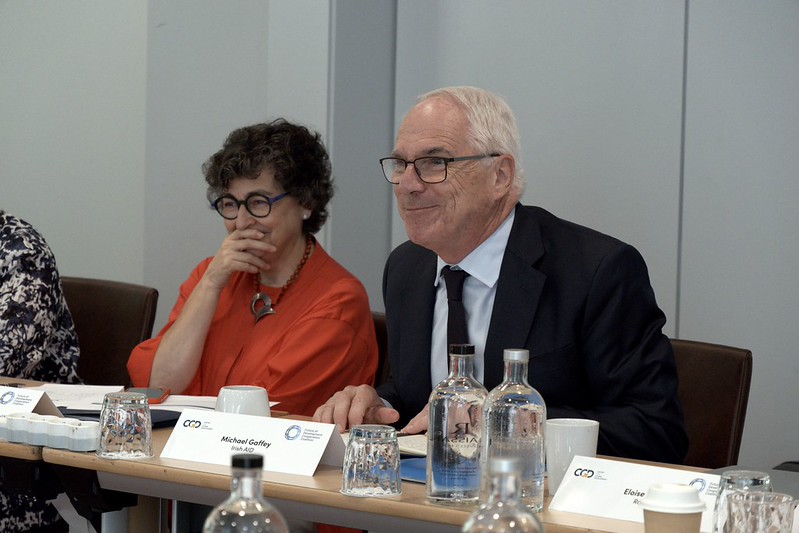
The read-out from our sixth consultation, co-hosted with CGD Europe in Brussels, is now available, together with a short video featuring voices from the morning session.
Now the Coalition’s work is changing gears as the Co-Chairs and Commissioners deliberate possible recommendations. The Coalition is engaging in a series of thematic workshops to delve into some particularly relevant areas in greater detail on topics such as building state capacities, making domestic private capital work, debt, the role of AI, and fragility.
There is still time to contribute. We welcome ideas that support, challenge, or add to our emerging thinking through the Coalition’s open feedback form. Submissions will help inform the work of the Co-Chairs and Commissioners.
Toward Purposes and Principles
The Coalition’s second report, Driving Change: Purposes and Principles for Effective Development Cooperation is scheduled for a September release. The report identifies four main purposes of development cooperation and presents a targeted suite of five principles that, taken together, underpin the enduring logic of a reimagined approach to development cooperation. (The Coalition’s third, and final, report, scheduled for release by year-end, will offer a series of actionable recommendations.)
And don’t forget to read the Coalition’s first report—The Development Balance Sheet: Rethinking Development Cooperation from the Ground Up—which made the case that any discussion of development cooperation must have the ambitions, capacities, and needs of low- and middle-income countries front and center.
Recent Highlights
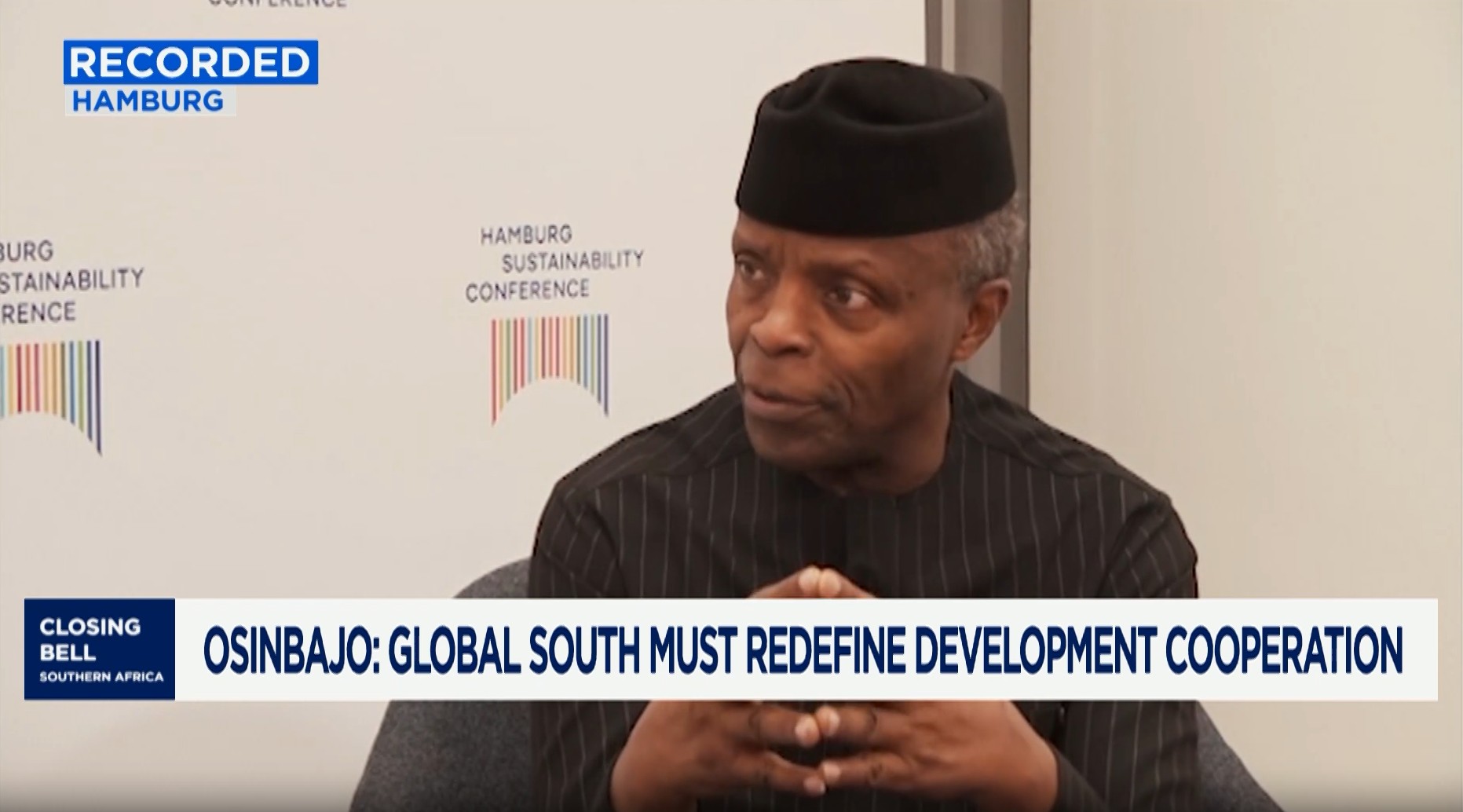
In conversation with CNBC Africa’s Godfrey Mutizwa, Co-Chair Yemi Osinbajo called for countries across Africa and other developing regions to play a leading role in redefining development cooperation.
Yemi’s appearance and meetings at the Hamburg Sustainability Conference were picked up in the Nigerian press.
Commissioner Joaquim Levy joined host Sara Pantuliano and guests Divij Joshi and Fiona Macklin on the ODI Think Change podcast to talk climate and AI.
In a two-question interview with Devex President and Editor-in-Chief Raj Kumar at the Aspen Security Forum, Alexia Latortue made the case for moving development cooperation beyond the aid-industry box—without assuming private capital can solve everything. She also reflected on the cross-sector leadership needed to build a new case for why countries must cooperate.